Property fraud remains one of the biggest risks in Nigeria’s real estate market. From fake land titles to disputed ownership and forged documents, many buyers lose money simply because they fail to properly verify what they are buying.
In Abuja especially, where demand is high and property value is rising, due diligence is not optional, it is essential.
This guide explains how to verify land and property documents in Nigeria, so you can protect your investment and make confident decisions.
Why Verification Is So Important
Before investing in any property, you must confirm:
- The property actually exists
- The seller is the rightful owner
- The documents are genuine
- The land is free from government acquisition or disputes
💡 Key truth:
If you skip verification, you are not just buying property, you are buying risk.
Common Fraud Risks in Nigeria Real Estate
- Fake Certificate of Occupancy (C of O)
- Multiple sales of the same property
- Government-acquired land sold illegally
- Forged Deed of Assignment
- Unregistered agents or middlemen
Step 1: Confirm the Seller’s Identity and Ownership
Start with the basics.
Ask for:
- Valid ID of the seller
- Proof of ownership (original documents)
- Evidence of acquisition (e.g. Deed of Assignment or C of O)
💡 What to look for:
Names on documents must match the seller’s identity or company registration.
Step 2: Verify the Property Documents with the Relevant Authority
This is the most critical step.
Depending on the property type:
- For land: check with the State Land Registry
- For government allocations: verify with FCDA (in Abuja)
- For estate properties: confirm with the estate developer
💡 What happens here:
Authorities confirm whether the document is genuine and registered.
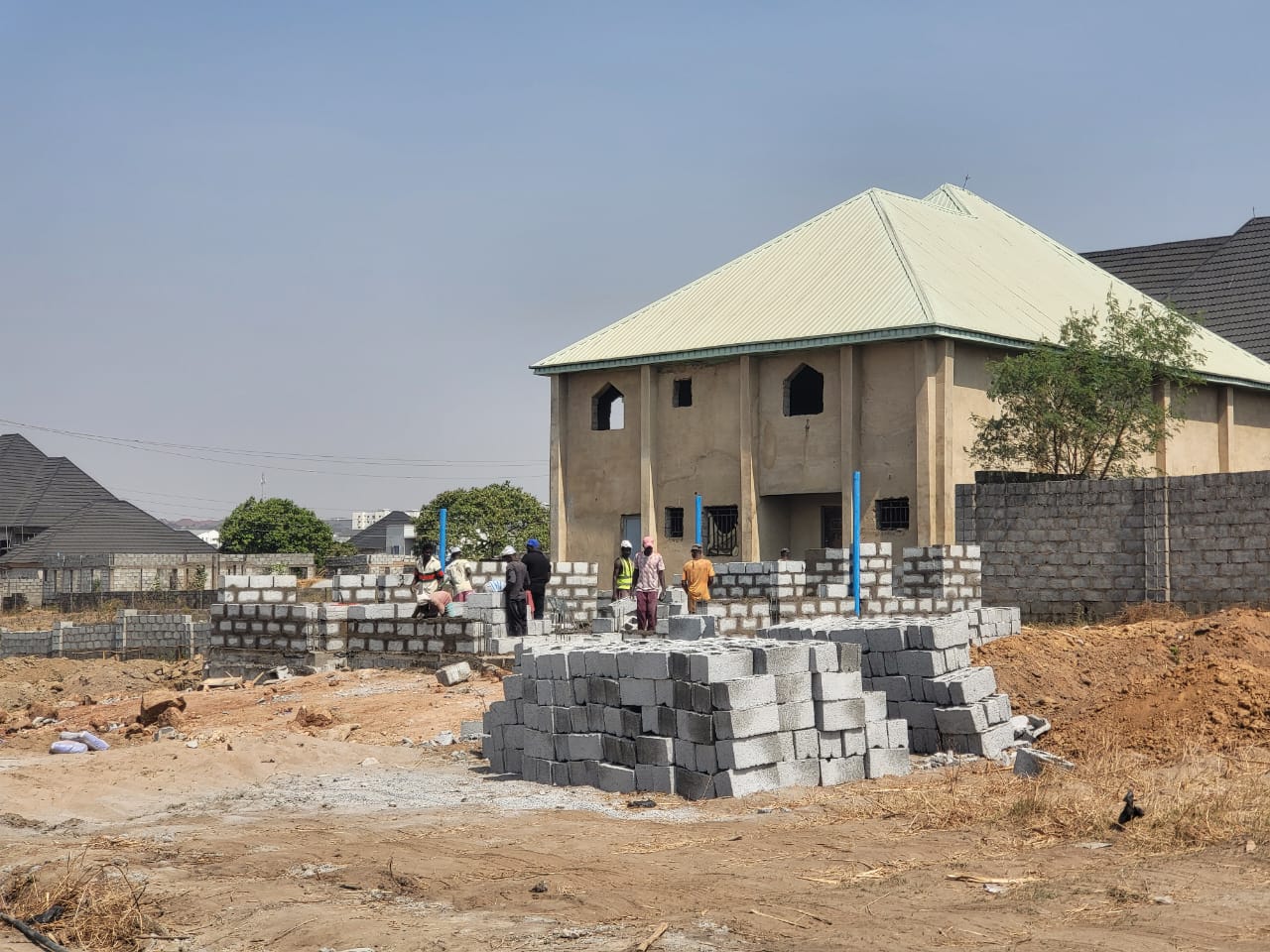
Step 3: Conduct a Physical Inspection
Never rely only on paperwork.
Visit the property to:
- Confirm the land or building exists
- Check boundaries and location
- Observe surrounding development
💡 Important:
Some properties are sold without clear access or even proper location details; inspection reveals the truth.
Step 4: Check for Government Acquisition or Restrictions
This step protects you from buying restricted land.
Verify if the land:
- Has been acquired by government
- Is under dispute or litigation
- Is within a restricted zone
💡 Why it matters:
Even genuine sellers cannot legally sell government-acquired land.
Step 5: Engage a Professional (Lawyer or Trusted Real Estate Company)
Finally, involve an expert.
They help you:
- Review all documents
- Confirm legal compliance
- Handle transaction safely
- Detect hidden issues
💡 Insight:
This is often the difference between a safe investment and a costly mistake.
Key Documents You Should Always Verify
- Certificate of Occupancy (C of O)
- Deed of Assignment
- Survey Plan
- Right of Occupancy (R of O)
- Approved building plan (for developed properties)
Red Flags to Watch Out For
- Seller refuses physical inspection
- Documents are incomplete or unclear
- Pressure to “buy quickly”
- Prices significantly below market value
- No verifiable office or address
💡 Golden rule:
If it sounds too good to be true, it usually is.
Practical Example
A buyer is offered land in Abuja at a very low price. The documents look convincing, but:
- The land is not registered in the official land registry
- The seller cannot prove ownership
- The land falls within a government acquisition zone
👉 Result: The buyer risks losing the entire investment.
Final Thoughts
Verifying property documents is not complicated, but it must be done carefully and consistently. A few simple checks can protect you from major financial loss.
In real estate, due diligence is not optional; it is protection for your future.
Need Help Verifying a Property?
At Futuristic Homes Ltd, we ensure every property we deal with is properly verified and secure, giving you confidence from start to finish.
Take the next step:
- View Properties
- Contact Us